Our Impact
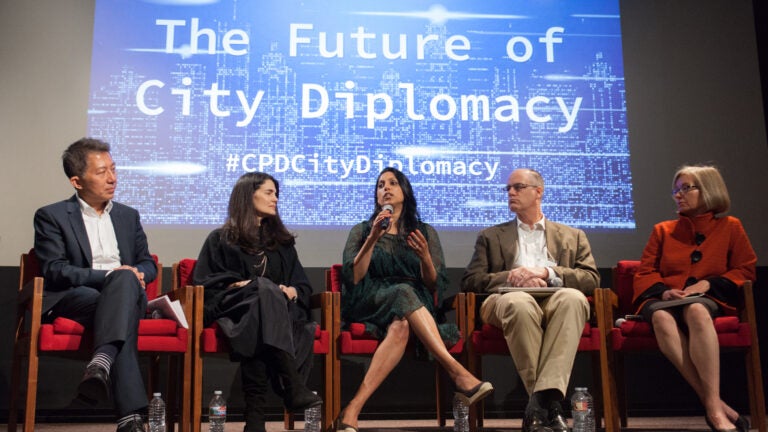
There is no more powerful mission than truly creating change. The USC community — faculty, students and staff — work side by side with partners in Los Angeles to solve immediate problems, creating a constellation of people and networks collaborating toward the public good. Worldwide, our efforts address global health inequities, develop leadership and research in key cultural areas, train diplomats from myriad countries and more.
Inventing Solutions
Exploring Medical Frontiers
Creating New Knowledge
Discovery, Creativity, Impact
USC is a premier research institution that provides a steady stream of new knowledge, art and technology. It has more than $1 billion in annual research expenditures, with the largest graduate program in science, engineering and health of all private research universities.
Research Highlights
From unexpected climate solutions to unearthing truths about today’s information ecosystem and more, USC researchers roll up their sleeves for the problems of today.

Allyson Felix, Pat McAfee top USC Next Level Sports Conference lineup
The Olympic legend and the ESPN host joined an all-star roster to share their roads to success and how to navigate a changing sports landscape.
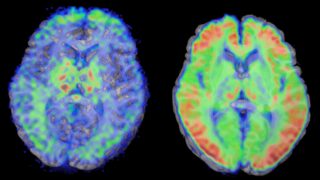
Global team launches largest-ever study of brain function across 8 mental illnesses
The five-year, NIH-funded project will analyze more than 94,000 brain scans using a shared method, so researchers can compare schizophrenia, depression, autism and five other conditions.

How a visit to the lawyer could be a lifeline for people with mental stress
A USC-led study finds overlooked chances to recognize distress long before a person reaches a mental health clinic — or worse.

$8 million NIH grant advances USC-based research on environmental health
The funding supports the Southern California Environmental Health Sciences Center, a joint effort of USC and UC Irvine that has backed environmental health research for more than three decades.
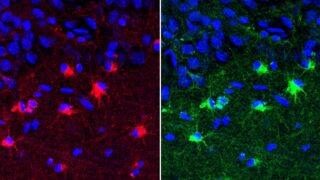
Immature brain support cells may be linked to human age-related cognitive decline
USC researchers studying human brain tissue found an association between abnormal immature astroglia, cells that play a supporting role in brain function, and lower reasoning ability in older adults with epilepsy.

USC clinical trial to evaluate blood test for early detection of breast cancer
The trial will evaluate whether a blood test can help detect breast cancer earlier than mammograms alone.

Creative Expression
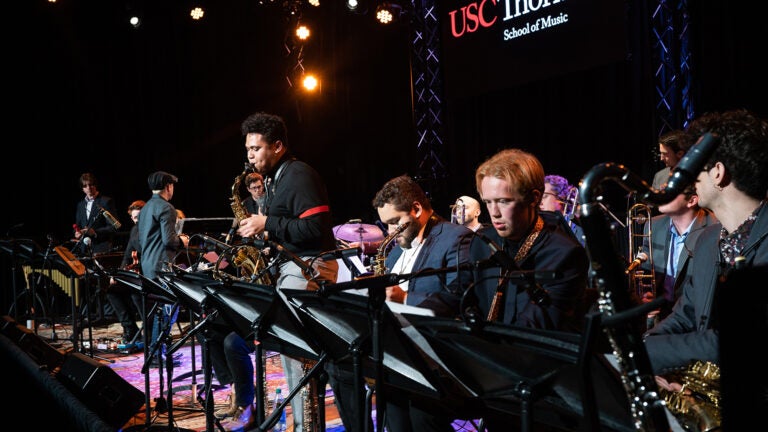
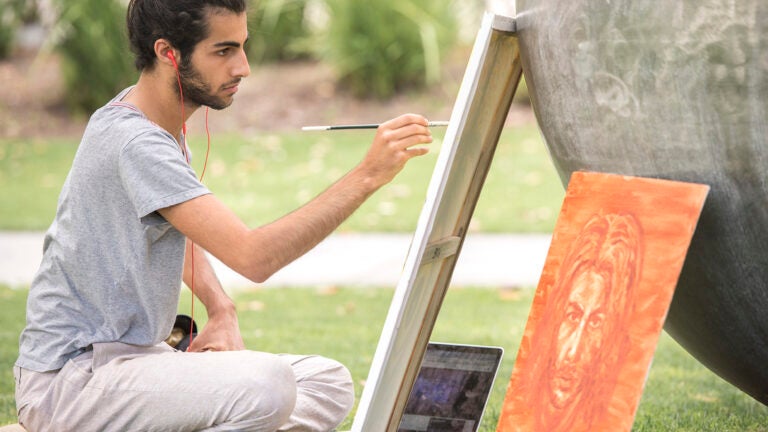
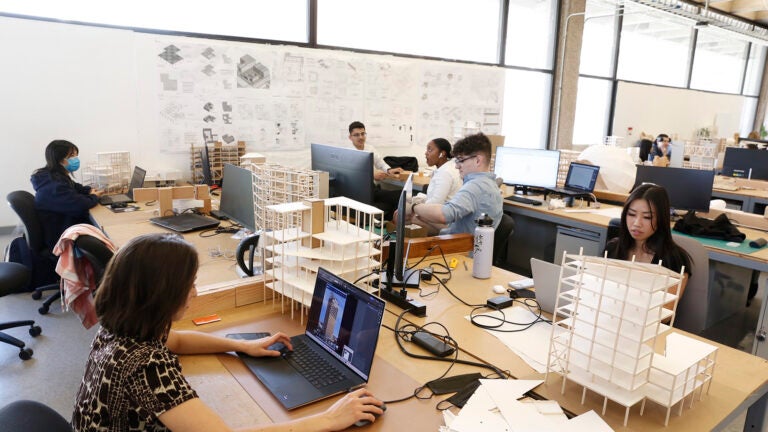
Los Angeles is considered the “Creative Capital of the World.” With six major arts schools, USC is one of the city’s driving forces for new ideas and emerging talent, playing a prominent role in the film, television, music, architecture and arts industries.

Faculty Spotlight
USC’s award-winning scholars and researchers look beyond the ordinary to bring new, much-needed insights and developments to a rapidly changing world with complex needs. Within the health and medical fields, this has translated to a wide range of breakthroughs and discoveries that affect every aspect of our daily lives.
Marientina Gotsis is a professor of the practice of cinematic arts at the USC School of Cinematic Arts whose work bridges arts, design and engineering, with a focus on interactive entertainment for health and well-being. She co-founded and directs the Creative Media & Behavioral Health Center, an interdisciplinary research unit connecting USC Cinematic Arts and the Keck School of Medicine to explore how immersive media and games can support mental and physical health.

Vishal Gupta is an associate professor of data sciences and operations at the USC Marshall School of Business, with a courtesy appointment in USC Viterbi’s industrial and systems engineering department. His research sits at the intersection of AI, optimization and operations, applying analytical tools to real-world decision-making in business and engineering contexts.
Cristina Zavaleta is the WiSE Gabilan Assistant Professor and an assistant professor of biomedical engineering at USC. Her research develops nano-based molecular imaging tools to diagnose disease, guide treatment decisions and accelerate drug discovery, advancing precision medicine through technologies that reveal disease biology at the molecular level.

Art & Science Interdisciplinary Collaborations
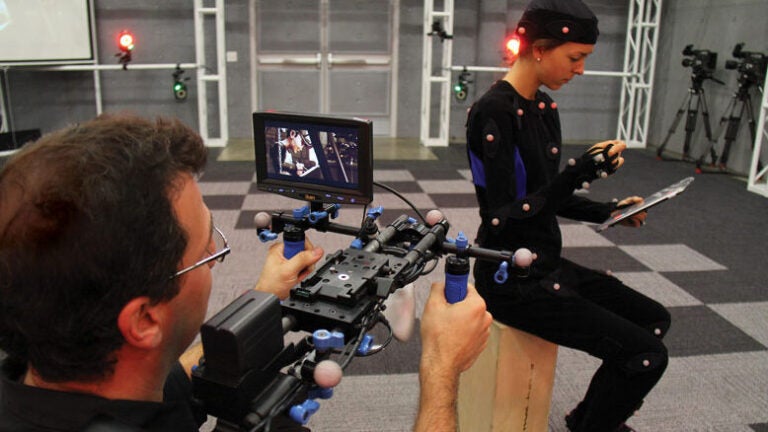
Bridge Institute & the USC School of Cinematic Arts
In pursuit of a cure for diabetes, faculty and students collaborate to explore the molecular structure of the pancreatic beta cell — the molecule responsible for creating insulin.
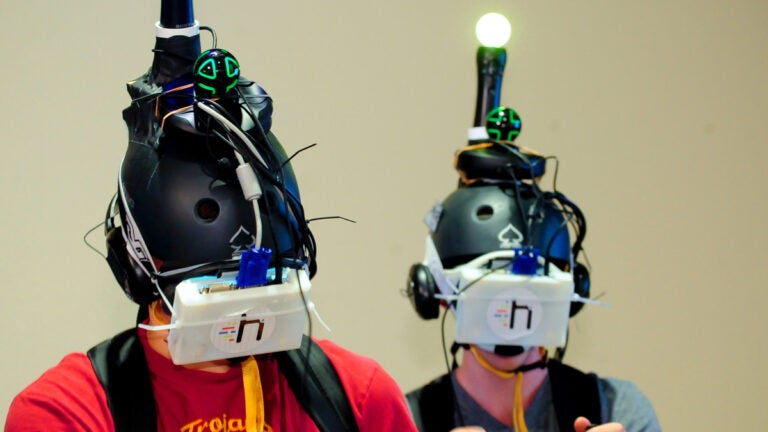
Brain & Creativity Institute
The Brain & Creativity Institute studies the effects of music processing on the developing brain, how the brain organizes narratives, and the role of feeling and consciousness in humans and machines. Applications include the diagnosis and treatment of neurological and psychiatric disorders, child development and education.
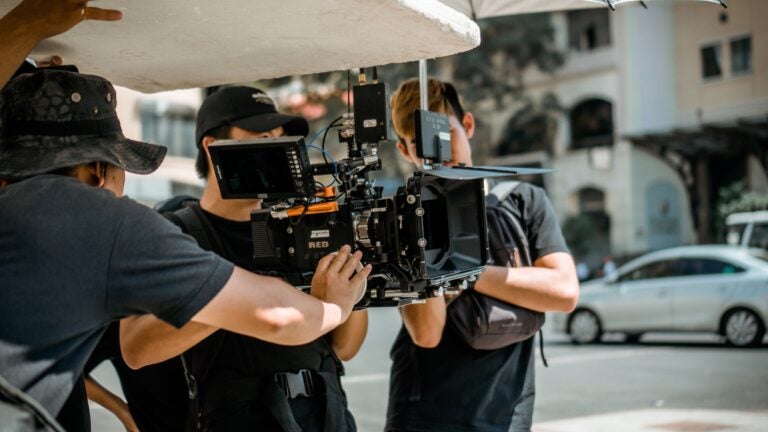
Wrigley Institute Storymakers Program
Scientists become storytellers through this weeklong intensive workshop that teaches hands-on tools such as podcasting, creative content production and more to empower the people behind the science to move hearts and minds with their work in order to accelerate change.
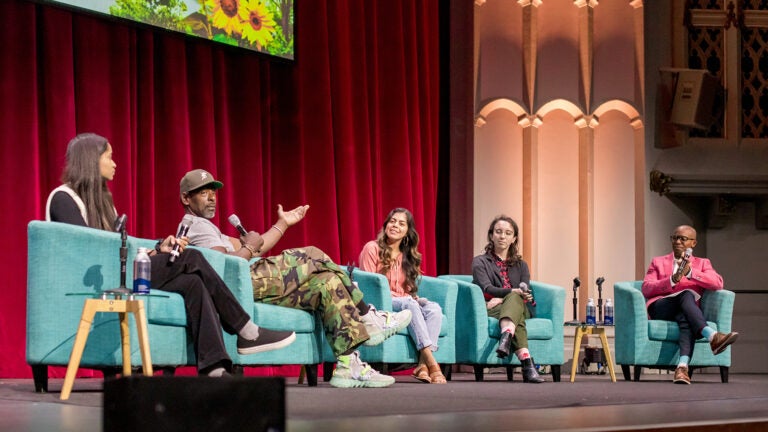
Arts and Climate Collective (ACC)
Inspired and fueled by students, the ACC is a collective commitment to sustainability and environmental justice using the building blocks of arts, culture and storytelling. Participation develops essential skills and attitudes that prepare students for long-term success and create a shared sense of USC community.